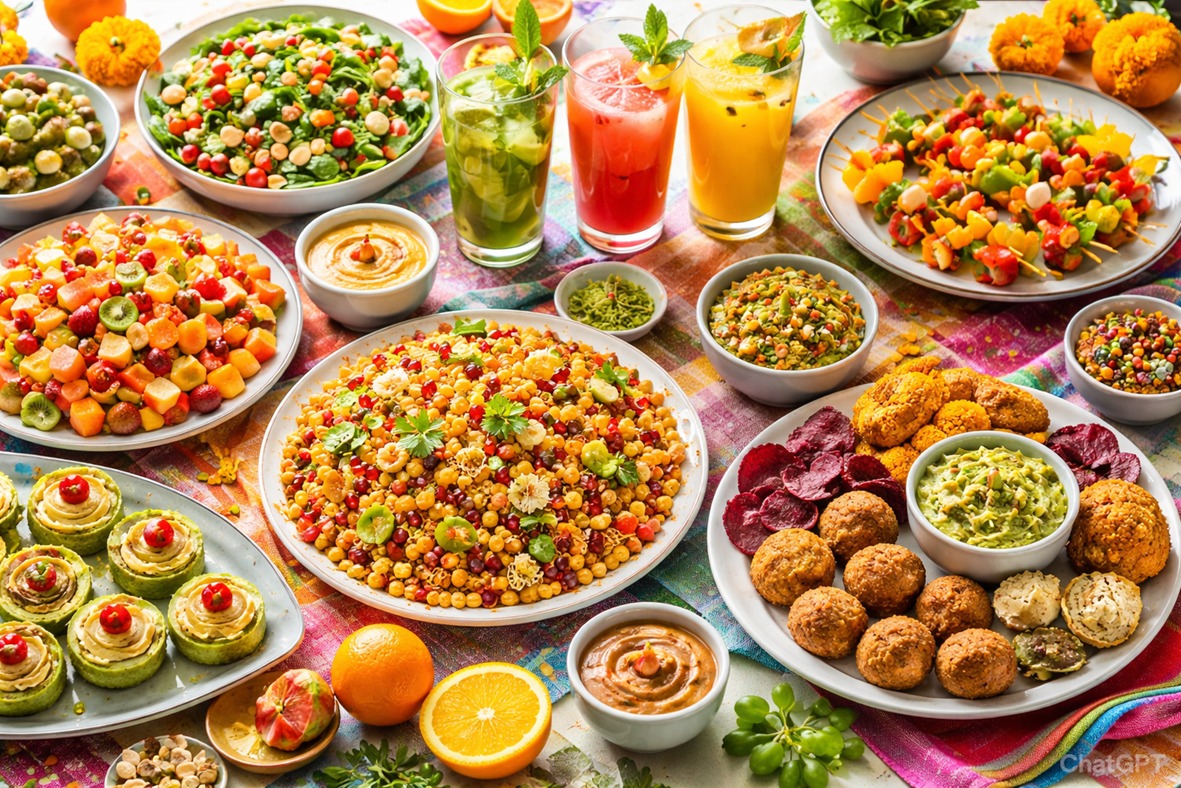





Open your fridge right now to search for drinks. There is, in all probability, a mango lassi from last week going quietly sour in the back, a bottle of Appy Fizz you bought out of nostalgia, and tap water that has been sitting in a steel bottle since Tuesday. None of it is going to save you from what April in Delhi is doing to your body, your mood, and your will to leave the house. The temperature has been climbing since March, the humidity is making its annual threat to arrive early, and the city’s cafe scene — which has had an extraordinary creative run over the last two years — has already switched its menus over to summer mode.
Here is the part your fridge doesn’t know: the summer 2026 drinks menu at Delhi’s better cafes reads like someone finally decided that hydration deserved to be taken as seriously as everything else on the table. Kokum is no longer a Konkan coast secret. Raw mango and chili have moved from your grandmother’s kitchen to the cocktail bar. Ashwagandha is appearing in cold drinks at the kind of establishments where you go in for a cortado and leave two hours later having made a life decision.
The mango lassi is not dead — nothing that ancient or correct can be truly killed — but it now has genuine, inventive, seriously delicious competition. Here is what that competition looks like, where to find it, and how to make the best version of it at home when the 44-degree afternoon makes going out feel like a test of character.
Section 1: The Flavour Profiles Running Delhi’s Summer Menus Right Now
The first trend to understand is the raw mango and chili revival, and revival is the right word because this combination is ancient in North Indian food culture — aam panna, the drink made from boiled and pulped raw mango, spiced with cumin and black salt and sometimes spiked with green chili, has been a household standard for generations. What has changed is the register in which it appears. The version your mother made was functional, cooling, anti-dehydration medicine in a glass.
The version showing up on Delhi’s current cafe menus is architectural: clarified raw mango water layered over crushed ice, a thin ring of chili oil floating on the surface, finished with a salt rim that has been mixed with dried mango powder. Aam panna went to finishing school and came back wearing better clothes.
The heat of the chili, paired with the sharp acidity of raw green mango, does something physiologically real to your core temperature — traditional Ayurvedic wisdom and modern food science agree that these flavour combinations genuinely help the body manage heat, not just the impression of it.
The second dominant trend is kokum, and its ascent in Delhi’s cafe culture represents a genuinely interesting piece of culinary geography in motion. Kokum — the dried rind of a fruit from the Garcinia indica tree, native to India’s western coastal belt — has always been a cornerstone of Konkan, Goan, and Maharashtrian summer drinks.
Its flavour is tart and slightly floral, similar in theory to tamarind but cleaner, less syrupy, with a natural deep purple-red colour that makes every drink it enters look like it was designed by someone who knows about Instagram. Chefs across India have noted kokum’s cooling properties, and its ability to replenish salts lost during sweating makes it functionally superior to most commercial drinks.
Delhi’s cafes are now sourcing it seriously — either as kokum agal (the concentrated extract used in Sol Kadhi) or as dried whole rinds steeped overnight — and pairing it with rock salt, mint, and occasionally vodka to produce drinks that feel simultaneously ancient and new.
The third trend is the adaptogen integration, and this one you will either find intellectually interesting or mildly aggravating depending on your relationship to wellness culture. Ashwagandha, tulsi, and shatavari — herbs long established in Ayurvedic practice for their stress-modulating and cooling properties — are crossing over from the health supplement aisle into mainstream cafe menus at a pace that would have seemed unlikely three years ago.
The key shift is that these additions are no longer being treated as medicinal footnotes (as in, “this drink has ashwagandha in it, which is good for stress”) but as flavour components in their own right. Ashwagandha has a bitter, earthy undertone that works remarkably well in cold drinks built around sweet base notes like coconut milk or watermelon. Tulsi, which has a complex herbaceous flavour somewhere between basil and clove, makes cold infusions that are genuinely extraordinary in the heat.
The fourth and perhaps most interesting trend is the localisation of cold brew. Cold brew coffee — coffee steeped in cold water for 12 to 24 hours — has been on Delhi’s speciality cafe menus for several years now, but the summer 2026 iteration is taking the format and running it through an entirely Indian spice lens. Cardamom cold brew. Haldi-and-black-pepper cold brew. Jaggery-sweetened cold brew served with a pinch of pink salt. These are not novelty items — they are flavour combinations that make genuine coffee sense, and the Blue Tokai generation of Delhi’s cafe culture, which takes origin-specific coffee seriously, has been pushing in exactly this direction.
Section 2: Where to Drink It — A Venue Guide for Summer 2026
Cafe Lota, Pragati Maidan sits in the open-air courtyard of the National Crafts Museum, and its combination of Mughal garden architecture and a menu built around regional Indian flavours makes it one of the most convincing summer drinking destinations in the city. The aam panna here is prepared from fresh pulped raw mango with roasted cumin and black salt — a version that stays true to its North Indian roots while arriving in a glass cold enough to survive the surrounding heat. Expect to pay around ₹180 to ₹220. The outdoor seating under the neem trees turns a glass of something cold into a full sensory experience. Get there early, before the afternoon sun reaches the courtyard.
Social, Hauz Khas Village has been doing innovative mocktails and cocktails long enough to have developed a genuine house style — smart, irreverent, unafraid of unusual flavour combinations. The summer menu here tends to exploit the sweet-sour-spice axis with confidence: raw mango and chili sodas, kokum-based coolers, and experimental cold brew formats that use local masala bases. The Litchi Boba, which regular visitors cite consistently, remains on rotation. This is the venue for anyone who wants the full experience of Hauz Khas in summer — the lake view from the terrace, the reliably good music, and drinks that are made with the understanding that the person ordering them has been out in 42 degrees. Drinks run ₹200 to ₹380.
Ivy & Bean, Shahpur Jat occupies the artsy, slightly chaotic pocket of South Delhi that has become the city’s most interesting neighbourhood for food discovery. The cafe’s bohemian interior — colourful artwork, mismatched furniture, the kind of menu that rewards reading carefully — is the context for a summer drinks approach that leans hard into local, seasonal ingredients.
A cold-brewed tulsi lemonade, steeped overnight and served with a sprig of fresh tulsi and a thin slice of green chili, is the kind of thing that turns a Shahpur Jat afternoon into a genuine occasion. The price point is accessible — most cold drinks fall in the ₹150 to ₹250 range — and the vibe skews younger and more creative than the broader South Delhi cafe belt.
Perch, Sunder Nursery is the newer outpost of a well-loved Delhi wine and coffee institution, and its opening at Sunder Nursery in 2026 gave the city one of its most beautiful summer drinking settings. The cafe fits into the nursery’s landscape of Mughal garden geometry and flowering trees like it was always meant to be there. Perch’s approach to coffee is precise and origin-focused, which in summer translates to cold brews of genuine quality — the cardamom and jaggery cold brew here is a drink you will think about afterwards.
Beyond coffee, expect light, acidic summer cocktails that use kokum and local citrus. Drinks are priced ₹250 to ₹450. Come at 6 PM when the nursery light goes golden and the temperature drops two degrees.
Roastery Coffee House, Noida Extension represents the newer geography of Delhi-NCR’s cafe culture — the western and eastern extensions of the city that are often left off food guides written by people who do not live there. Roastery opened its 12th branch here in early 2026, and the haldi-spiced cold brew it introduced to its summer menu — brewed with raw haldi rather than turmeric powder, giving it a grassy rather than earthy quality — is one of the more genuinely distinctive cold coffee products in the market right now.
This is the kind of drink that makes you understand why the cold brew localisation trend has legs. Drinks ₹200 to ₹320. If you are in Noida on a Saturday morning, this is the move.
The Potbelly, Shahpur Jat normally gets cited for its Bihari food, but the sattu sharbat it has been serving as part of its summer menu deserves its own mention. Sattu — roasted gram flour, a Bihar staple with extraordinary nutritional density — makes a cold drink that is cooling, slightly nutty, and deeply satisfying in a way that most trendy summer drinks cannot claim. Mixed with water, a squeeze of lime, black salt, and green chili, it is technically the most functional drink on this list and also one of the most interesting. Around ₹120. It is available on the rooftop, which makes everything taste better.
Section 3: The DIY Recipes — Because Sometimes 44 Degrees Wins
Raw Mango and Chili Soda (Spiced Aam Panna Fizz)
This is the home version of the cafe trend that is dominating the summer 2026 menu circuit, and it takes about twenty minutes to make a batch that will last three days in the fridge.
Boil three medium raw mangoes whole until the skin starts to split and peel — about 15 minutes. Let them cool, then peel and extract the pulp. Blend the pulp with 1 teaspoon of roasted cumin powder, half a teaspoon of black salt, half a teaspoon of regular salt, one teaspoon of sugar, and one small green chili (deseed if you want less heat). Add 200ml of water and blend until smooth. Pass through a fine strainer. This gives you the concentrate.

To serve, put two tablespoons of the concentrate over ice in a tall glass and top with chilled soda water. A half-teaspoon of dried mango powder mixed into the salt used to rim the glass takes it from home recipe to something that feels intentional. The concentrate keeps refrigerated for three days. If you want to take it in an adult direction, a shot of white rum is not an unwelcome addition.
Kokum and Tulsi Cooler
Soak 10 dried kokum rinds in 500ml of room-temperature water for at least four hours, ideally overnight. The water will turn a deep garnet red and develop a tart, slightly floral acidity. Strain out the rinds. In the strained kokum water, steep 8 to 10 fresh tulsi leaves for 30 minutes — not longer, or the tulsi becomes bitter. Add a pinch of rock salt and a teaspoon of honey. Stir until the honey dissolves. Serve over ice with a lime wedge and a fresh tulsi leaf as garnish.
This drink does two things simultaneously: the kokum provides cooling acidity and replenishes electrolytes, and the tulsi adds an aromatic herbaceous quality that makes it feel almost spa-like. It is genuinely restorative in a way that most commercial summer drinks are not, and the colour alone will generate at least one comment from anyone who sees you drinking it.
Section 4: The Pairing Guide — What to Eat Alongside Your Summer Glass
The spiced aam panna fizz pairs with anything deep-fried and slightly salty — samosas, pakoras, aloo tikki. The acidity of the raw mango cuts through oil beautifully, and the chili heat synchronises with the heat in the food rather than competing with it. This is the classic chaat-and-cold-drink pairing that North Indian food culture has understood for centuries, now served in a slightly more elevated glass.
The kokum cooler needs something substantial next to it — the tartness of the drink calls for richness in the food. A kokum cooler alongside paneer butter masala or a chicken curry at a cafe that does both is one of those combinations that makes the sum greater than the parts. At venues like Cafe Lota, where the drink and the regional Indian food menu are designed to coexist, this pairing is essentially built into the experience.
The haldi cold brew — the Roastery-style spiced coffee variation — goes with anything sweet and not too rich. A good banana bread, a slice of cardamom cake, or a plain butter croissant. The slightly bitter earthiness of the haldi plays against sweetness in a way that straight black cold brew does not.
The tulsi and kokum cooler is the drink to pair with a long, slow, no-particular-agenda afternoon. If you are working through the DIY recipe above at home, make it alongside something you are making from scratch — a tomato salad with chaat masala, a plate of watermelon and chili and lime. Drinks that take time to prepare deserve food that takes time to eat.
And the sattu sharbat, which is in a class of its own in terms of functional density, pairs with everything because it is effectively food itself. But if you are having it at The Potbelly or making a version at home, the correct accompaniment is litti chokha, which is about as Bihari a pairing as it gets and is, in the right hands, one of the more satisfying summer lunches available in this city.
Your summer hydration plan just got an upgrade. You’re welcome.
The mango lassi will always have a seat at the table — it earned that — but the table has gotten considerably longer, considerably more interesting, and considerably better at keeping you cool through the five months that Delhi demands it. The kokum is in your glass. The raw mango is in your soda. The tulsi is in your cooler. The only thing left to do is update your fridge accordingly.